Stop Trump from Spying on Tourists’ Social Media Accounts
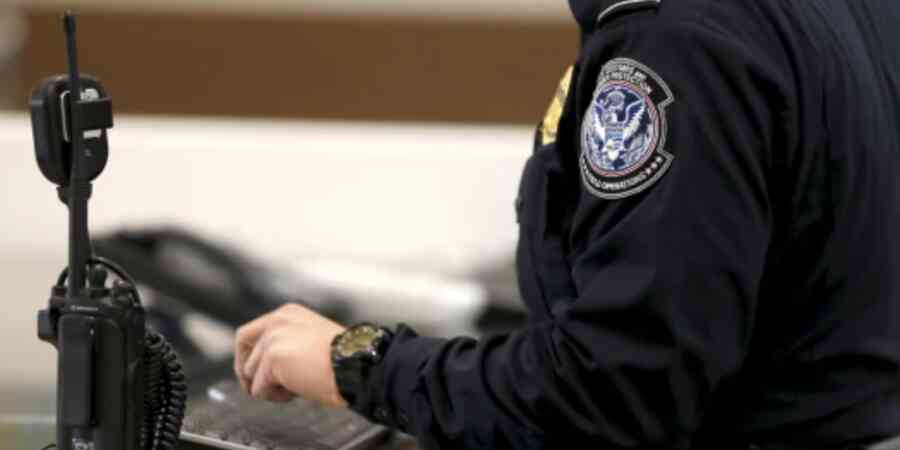
The U.S. should welcome visitors — not demand the keys to their private lives. But Trump’s Customs and Border Protection is proposing a new rule that would force millions of tourists to hand over five years of their social media history before entering the country.

Tourists would be required to provide usernames, past posts, and online associations. Civil liberties experts warn this data could be used to profile people based on political views, religion, or the content of their digital circles. That puts visitors at risk — and sets a dangerous precedent for surveillance that could easily spill over onto Americans.

That’s why the Senate Committee on Homeland Security and Governmental Affairs must step in now. The committee has direct oversight over DHS and CBP, and it has both the authority and the responsibility to investigate this sweeping proposal. With public pressure, the committee can hold hearings, demand justification for the program, question its legality, and uncover whether it violates privacy protections or expands government surveillance beyond what Congress ever intended.

This proposed rule is a sweeping invasion of privacy at the border. It is a warning to the world that visiting the United States comes with surrendering deeply personal information — not because travelers pose a threat, but because Trump’s agencies want unprecedented access to their digital lives. Left unchallenged, that power will only grow.

Congress must not allow CBP to transform tourism screening into a mass surveillance tool. When lawmakers publicly scrutinize a proposal like this, agencies are forced to pull back, narrow its scope, or abandon it entirely. That’s why speaking out now matters.

Tell the Senate Committee on Homeland Security and Governmental Affairs: Launch immediate hearings into CBP’s social-media-screening proposal. Investigate its legality, its risks, and its dangerous expansion of government surveillance.

The petition to the committee reads: "Investigate CBP’s tourist social-media screening proposal. Hold hearings now and defend privacy, civil liberties, and America’s reputation worldwide."
By signing, you’re agreeing to receive periodic messages from Civic Shout—you can unsubscribe anytime. For texts, message & data rates apply.
While on this site, you may also see content from other organizations that use CivicShout.com.