October 25, 2026
Congress Must Fund America's Forest Recovery
Across America, extreme weather is battering forests, destroying wildlife habitat, and leaving communities with costly damage. But a critical federal program designed to help forests recover is running out of money — just as climate threats are growing.
Now, landowners are being left waiting for help, damaged forests are going unrestored, and the next disaster could make things even worse.
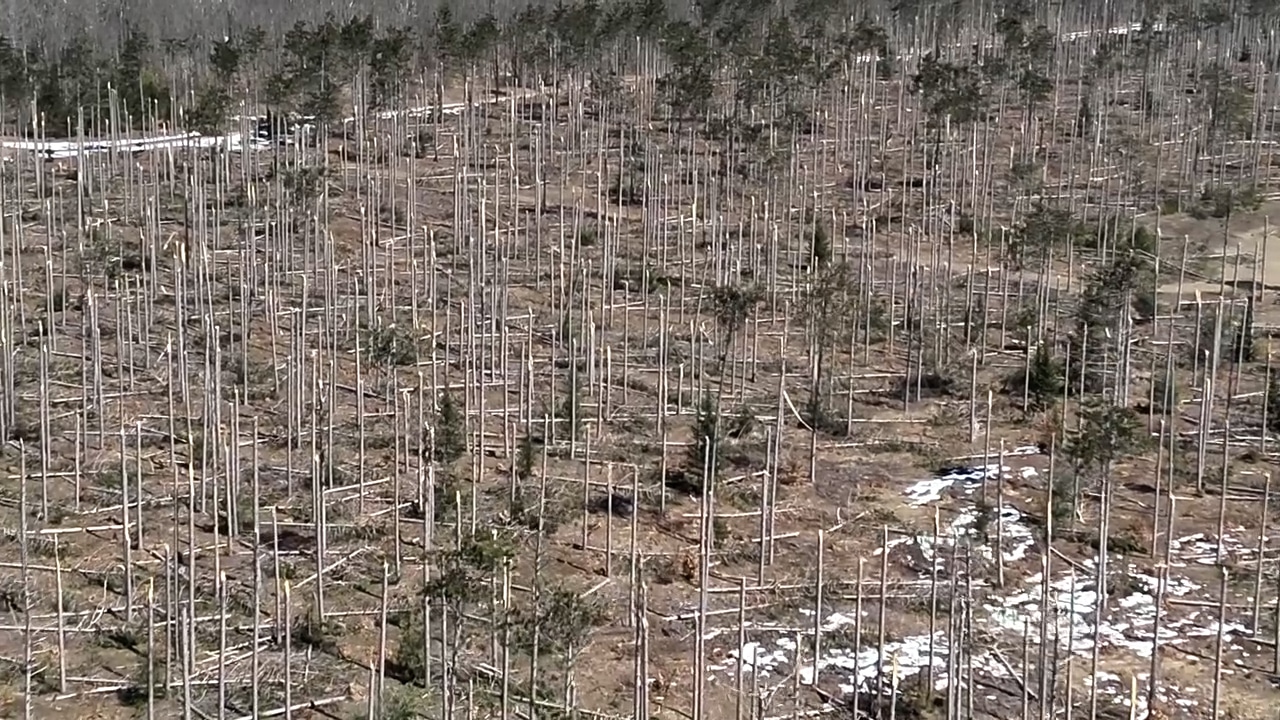
In March 2025, a powerful ice storm ripped through northern Michigan, damaging approximately 3 million acres of forest. Trees snapped, branches crashed to the ground, and vast stretches of woodland were left vulnerable to pests, disease, and future disasters.
More than a year later, roughly 600 Michigan landowners are caught in the federal assistance application process. Applications in Minnesota are also stalled.
The Emergency Forest Restoration Program (EFRP) is supposed to help private landowners recover from natural disasters. It reimburses up to 75% of eligible restoration costs, including clearing damaged trees, replanting, and controlling invasive species.
But the program can't keep up.
Congress appropriated $357 million in 2024, much of it earmarked for hurricane recovery. Now, requests for assistance exceed available funding, leaving landowners uncertain whether help will arrive.
And this is a warning for the rest of the country.
Climate change is intensifying many threats to America's forests, including wildfires, drought, and extreme rainfall. Yet the federal government lacks sufficient resources to help forests recover when disaster strikes.
The stakes extend far beyond fallen trees.
America's forests absorb enough carbon dioxide to offset roughly 13% of U.S. emissions. They also shelter wildlife, protect drinking water, and support rural economies.
When damaged forests cannot recover, their ability to store carbon and withstand future disasters can suffer.
Congress cannot keep treating forest recovery as an afterthought while climate threats escalate. We know what's at stake when forests are lost or degraded — and protecting and restoring them is one of our most powerful tools for fighting climate change.
We need funding to address pending applications and ensure assistance is available when future disasters strike.
Thank you for all that you do,
Mitch w/ Tipping Point
Source:
Grist | A federal program to restore forests after disaster has gotten too many funding requests
Photo credit MI DNR