October 24, 2026
Wolf Awareness Week Is Here. Trump Is Targeting Wolves.
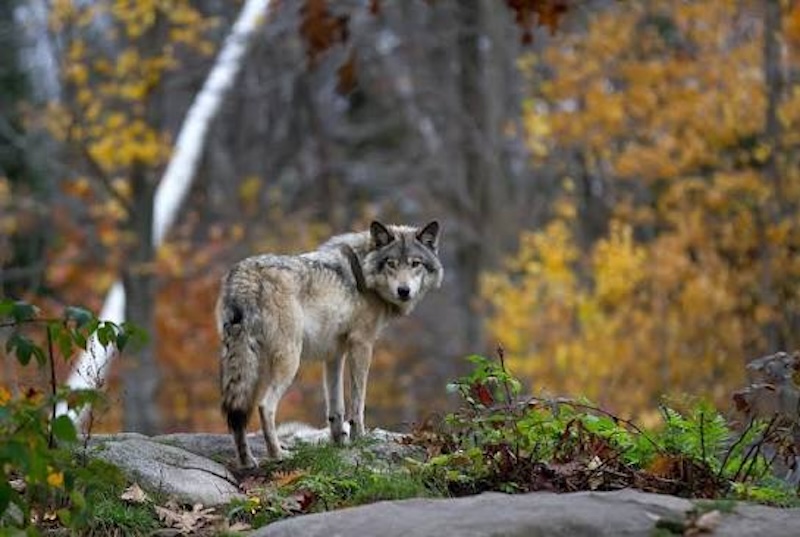
This week is Wolf Awareness Week — a time to celebrate one of America's most magnificent native predators. But instead of protecting wolves, the Trump administration is pushing states to weaken protections and make it easier to kill them.
And Colorado's fragile wolf recovery effort is squarely in the crosshairs.
Agriculture Secretary Brooke Rollins has urged 13 governors to reconsider wolf protections and work with federal officials on livestock conflicts, including lethal removal where legally authorized.
Her October 12 announcement follows President Trump's executive order directing federal agencies to review protections for gray wolves and endangered Mexican wolves.
The message is unmistakable: More killing. Fewer protections.
Colorado voters approved restoring gray wolves in 2020, bringing back a native species humans had driven out decades earlier. Wolves help maintain healthy ecosystems by influencing prey populations and their behavior.
But Colorado's recovering wolves are already struggling.
Several wolves have already been killed following conflicts with livestock, and wildlife officials are worried about the survival of the state's small, recovering wolf population. Colorado recently took a step toward protecting them by temporarily restricting when wolves can be killed over livestock conflicts. But that protection is limited, and wolves can still be killed under certain circumstances.
Now the Trump administration is pressuring states to move in the opposite direction.
And the threat extends beyond Colorado. The administration's executive order could weaken federal protections elsewhere, including for endangered Mexican wolves.
Wolves should not have to die to satisfy political pressure from the livestock industry.
Research increasingly shows that killing wolves and other predators is an unreliable way to prevent livestock losses. A recent scientific review found that killing wolves often failed to reduce attacks and sometimes made them worse. Removing wolves can disrupt packs without solving underlying conflicts.
Meanwhile, nonlethal approaches — including range riders, deterrents, and improved livestock protection — can reduce conflicts without killing native wildlife.
During Wolf Awareness Week, let's send a message: America's wolves deserve recovery, not another government-sanctioned killing campaign.
Thank you for all that you do,
Mitch w/ Animal Commons
Sources:
Society for Conservation Biology | Removing wolves did not reliably prevent domestic animal losses